Korean Bibimbap
Highlighted under: Traditional World Food Collection
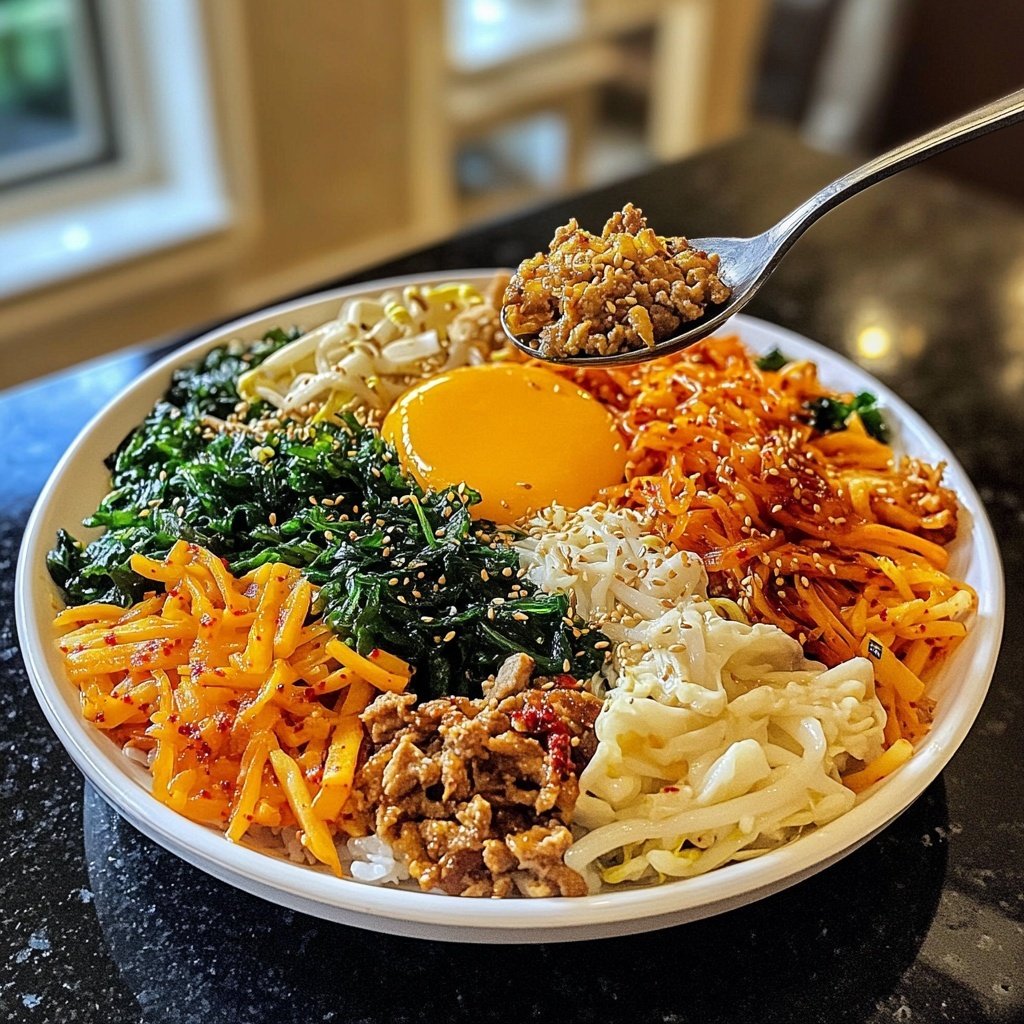
Korean Bibimbap is a vibrant and nutritious dish that brings together a variety of flavors and textures in one bowl.

Korean Bibimbap is a traditional dish that is both delicious and visually appealing. It's a perfect way to enjoy a variety of vegetables and protein, all topped with a fried egg and spicy gochujang sauce.
Why You'll Love This Recipe
- A colorful array of fresh vegetables
- Customizable with your favorite proteins
- A perfect balance of spicy and savory flavors
The History of Bibimbap
Bibimbap has its roots in Korea's ancient history, dating back to the 16th century. Traditionally, it was a farmers' meal, made with leftover vegetables and rice, allowing families to utilize whatever was available. This practice of combining various ingredients symbolizes harmony and balance, deeply embedded in Korean culture.
The dish's name translates to 'mixed rice,' which perfectly encapsulates its essence. Over time, bibimbap has evolved into a beloved staple, not just in Korea but also around the world. With each region boasting its own twist, bibimbap showcases the diversity of Korean cuisine while maintaining its core identity.
Health Benefits of Bibimbap
Korean Bibimbap is not only a feast for the eyes but also a powerhouse of nutrition. Packed with an array of vegetables, it provides essential vitamins and minerals that promote overall health. Spinach offers iron and vitamins A and C, while carrots and zucchini contribute dietary fiber and antioxidants.
Moreover, the inclusion of gochujang introduces capsaicin, known for its metabolism-boosting properties. The balance of carbohydrates from rice and proteins from eggs or added meats makes bibimbap a complete meal, ideal for anyone seeking a wholesome yet delicious dining experience.
Customization Options
One of the most delightful aspects of bibimbap is its versatility. You can easily tailor the dish to suit your taste preferences or dietary needs. Whether you're a vegetarian, vegan, or meat lover, there are countless ways to personalize your bowl. Swap traditional vegetables for seasonal produce or add tofu for a protein boost.
Additionally, if you prefer a milder flavor, you can adjust the amount of gochujang or even replace it with a less spicy sauce. With endless combinations, bibimbap invites creativity and experimentation in the kitchen, making it a fun and engaging meal preparation.
Ingredients
For the Bibimbap
- 2 cups cooked rice
- 1 cup spinach, blanched
- 1 cup carrots, julienned
- 1 cup zucchini, julienned
- 1 cup mushrooms, sliced
- 1 cup bean sprouts, blanched
- 4 eggs
- 4 tablespoons gochujang (Korean chili paste)
- 2 tablespoons sesame oil
- 1 tablespoon soy sauce
- Sesame seeds for garnish
Note: Feel free to add your choice of protein such as beef, chicken, or tofu.
Instructions
Prepare the Vegetables
In a skillet, heat sesame oil over medium heat. Sauté the carrots and zucchini until tender, about 5 minutes. Add the mushrooms and cook for another 3 minutes. Set each vegetable aside separately.
Cook the Eggs
In the same skillet, fry the eggs sunny-side up until the whites are set but the yolks are still runny.
Assemble the Bibimbap
In a bowl, place a serving of rice, then arrange the sautéed vegetables, bean sprouts, and spinach on top. Add the fried egg in the center and drizzle with gochujang and soy sauce. Sprinkle with sesame seeds.
Serve
Mix everything together before eating to combine the flavors. Enjoy your delicious Korean Bibimbap!
Serve warm and enjoy the delightful mix of flavors.
Pro Tips
- For added flavor, you can marinate your protein in soy sauce, garlic, and ginger before cooking.
Tips for Perfect Bibimbap
To achieve the best texture for your bibimbap, it's essential to use freshly cooked rice. Ideally, day-old rice is recommended as it holds up better and doesn't become mushy when mixed. If you're using freshly cooked rice, allow it to cool slightly before assembling your dish.
When sautéing vegetables, ensure they are cooked separately to maintain their distinct flavors and textures. This not only enhances the presentation but also allows you to control the cooking time for each ingredient, ensuring that everything is perfectly tender without losing its crunch.
Serving Suggestions
Bibimbap is typically served in a bowl, making it easy to enjoy as a quick meal. Pair it with a side of kimchi for an authentic Korean experience, adding an extra kick of flavor and probiotics. You can also serve it with a light soup, such as miso or seaweed soup, to round out the meal.
For those hosting a dinner, consider setting up a bibimbap bar where guests can customize their bowls. Provide a variety of vegetables, proteins, and sauces to create a fun and interactive dining experience that caters to everyone's tastes.
Questions About Recipes
→ Can I make this recipe vegetarian?
Yes! You can easily omit the egg or use tofu as a protein alternative.
→ What can I substitute for gochujang?
You can use Sriracha or another chili paste, but the flavor will be different.
→ Can I prepare the ingredients in advance?
Absolutely! You can pre-cook the vegetables and rice to save time.
→ Is Bibimbap gluten-free?
It can be gluten-free if you use gluten-free soy sauce.
Korean Bibimbap
Created by: Natalie Evans
Recipe Type: Traditional World Food Collection
Skill Level: Intermediate
Final Quantity: 4 servings
What You'll Need
For the Bibimbap
- 2 cups cooked rice
- 1 cup spinach, blanched
- 1 cup carrots, julienned
- 1 cup zucchini, julienned
- 1 cup mushrooms, sliced
- 1 cup bean sprouts, blanched
- 4 eggs
- 4 tablespoons gochujang (Korean chili paste)
- 2 tablespoons sesame oil
- 1 tablespoon soy sauce
- Sesame seeds for garnish
How-To Steps
In a skillet, heat sesame oil over medium heat. Sauté the carrots and zucchini until tender, about 5 minutes. Add the mushrooms and cook for another 3 minutes. Set each vegetable aside separately.
In the same skillet, fry the eggs sunny-side up until the whites are set but the yolks are still runny.
In a bowl, place a serving of rice, then arrange the sautéed vegetables, bean sprouts, and spinach on top. Add the fried egg in the center and drizzle with gochujang and soy sauce. Sprinkle with sesame seeds.
Mix everything together before eating to combine the flavors. Enjoy your delicious Korean Bibimbap!
Extra Tips
- For added flavor, you can marinate your protein in soy sauce, garlic, and ginger before cooking.
Nutritional Breakdown (Per Serving)
- Calories: 550 kcal
- Total Fat: 20g
- Saturated Fat: 4g
- Cholesterol: 200mg
- Sodium: 800mg
- Total Carbohydrates: 85g
- Dietary Fiber: 5g
- Sugars: 4g
- Protein: 15g